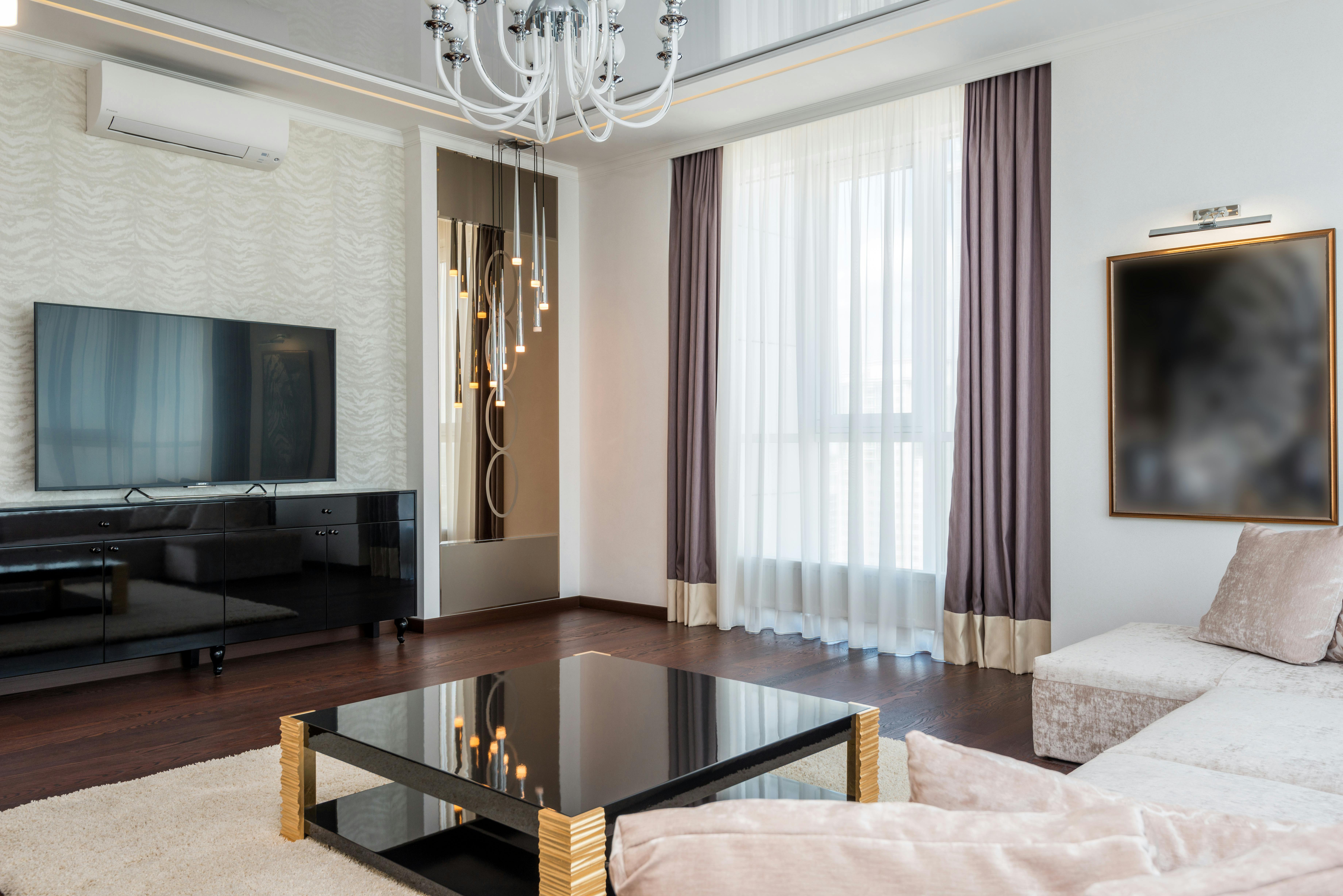
Heritage Homes: Where Yesterday's Grandeur Meets Tomorrow's Comfort
Restoring heritage properties requires balancing historical authenticity with modern living demands. The art lies in preserving architectural soul while integrating contemporary conveniences.
In an era of cookie-cutter developments and soulless subdivisions, heritage homes stand as monuments to craftsmanship and character. These architectural treasures, weathered by decades or centuries, whisper stories of bygone eras while offering discerning homeowners the opportunity to own a piece of living history. The challenge—and the reward—lies in breathing new life into these venerable structures without compromising their essential spirit.
Heritage properties represent more than mere real estate; they are custodians of cultural memory. From Victorian mansions with their ornate gingerbread trim to stately Georgian colonials with perfectly proportioned facades, these homes embody architectural movements that shaped our built environment. Each creaking floorboard, each hand-carved molding, each sun-dappled window speaks to an era when homes were crafted, not manufactured.
Yet romantic notions alone cannot sustain modern living. Today's heritage homeowner faces the delicate task of honoring the past while embracing the present, creating spaces that celebrate historical authenticity without sacrificing contemporary comfort.
Understanding Your Home's Architectural DNA
Before the first contractor steps through your heritage home's threshold, invest time in understanding its architectural pedigree. Research the original building period, study period-appropriate materials and techniques, and identify which elements are original versus later additions. This archaeological approach to renovation prevents costly mistakes and ensures your restoration honors the home's true character.
Engage a heritage consultant or architectural historian early in the process. These specialists can decode your home's visual language—explaining why certain proportions feel right, why specific materials were chosen, and how various elements work together to create architectural harmony. Understanding these principles guides every subsequent decision, from paint colors to hardware selection.
Document everything before beginning work. Photograph details, measure proportions, and catalog existing materials. Often, seemingly damaged elements can be restored rather than replaced, preserving authenticity while reducing costs. Original hardwood floors, for instance, may appear beyond salvation but often respond beautifully to professional refinishing, revealing grain patterns and character marks that modern materials cannot replicate.
Modernizing Without Compromising Character
The most successful heritage restorations seamlessly integrate modern systems while maintaining period aesthetics. This requires strategic thinking about where to introduce contemporary elements and where to preserve original features at all costs.
Mechanical systems present particular challenges. Modern HVAC, electrical, and plumbing must be installed sensitively, often requiring creative routing to avoid damaging original features. Consider radiant floor heating in appropriate areas, which provides comfort without visible modern intrusions. Install electrical systems within existing wall cavities where possible, and choose period-appropriate fixtures that accommodate LED technology.
Kitchen and bathroom renovations demand special consideration. While these spaces require modern functionality, they need not abandon historical context. Source period-appropriate fixtures, choose materials that complement the home's era, and maintain original room proportions where possible. A Victorian home might feature subway tile and brass fixtures, while a Colonial revival might call for marble countertops and traditional cabinetry profiles.
Technology integration requires particular finesse. Smart home systems, security equipment, and entertainment centers should remain invisible or disguised within period-appropriate housings. The goal is seamless functionality that doesn't announce itself visually.
Preserving Value Through Thoughtful Investment
Heritage restoration represents both passion project and financial investment. Thoughtful improvements that respect historical character while adding modern convenience typically yield strong returns, both in personal satisfaction and market value.
Focus first on structural integrity and building envelope improvements. Addressing foundation issues, roof repairs, and window restoration creates a solid base for all subsequent work. These fundamental improvements, while less glamorous than decorative elements, ensure your heritage home remains viable for future generations.
Choose restoration over replacement whenever possible. Original features that can be saved and restored typically cost less than reproduction alternatives while maintaining authenticity that cannot be replicated. Professional restoration of original windows, for instance, often costs less than quality replacements while preserving the home's architectural integrity.
Document your restoration process meticulously. Future owners will appreciate understanding what work was completed, which materials were used, and how modern systems were integrated. This documentation becomes part of the home's provenance, adding to both its historical significance and market value.
Heritage homes offer something increasingly rare in our modern world: authentic character rooted in historical craftsmanship. By approaching restoration with respect for the past and vision for the future, discerning homeowners can create spaces that honor their architectural heritage while serving contemporary lifestyles. In preserving these treasures, we maintain tangible connections to our collective past while creating lasting legacies for future generations.