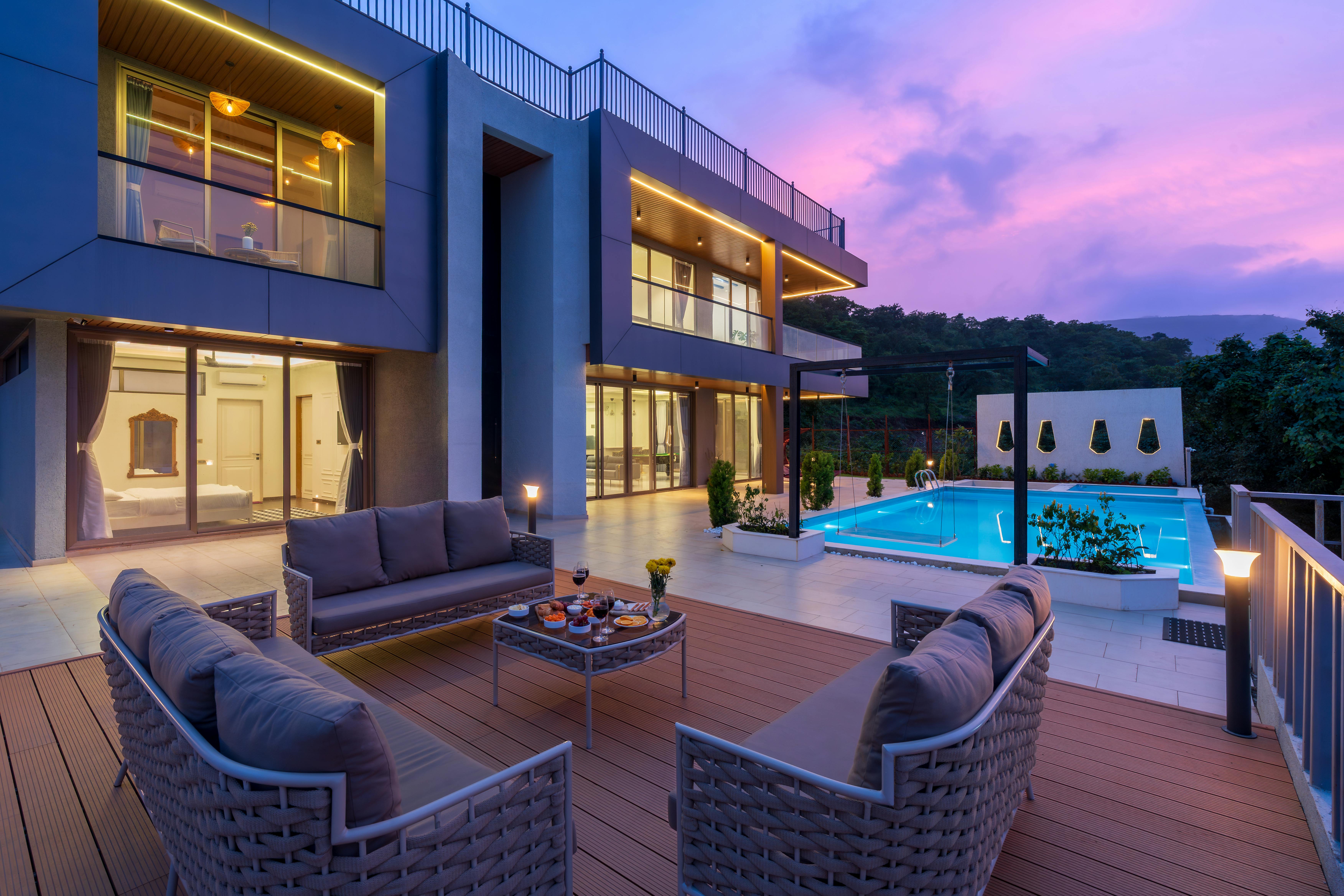
India's Luxury Rental Revolution: Metro Markets Embrace Premium Living
Luxury and serviced rentals are transforming India's metropolitan housing landscape, driven by evolving lifestyle preferences and corporate demand.
India's metropolitan rental markets are witnessing an unprecedented transformation as luxury and serviced accommodations reshape urban living paradigms. From Mumbai's towering residential complexes to Bangalore's tech-driven co-living spaces, the premium rental segment is experiencing exponential growth, fundamentally altering how Indians perceive temporary and long-term housing solutions.
The luxury rental ecosystem has evolved beyond traditional apartment leasing, encompassing fully-furnished residences, boutique serviced apartments, and hybrid co-living concepts that cater to an increasingly mobile professional demographic. This shift represents more than market expansion—it signals a generational pivot toward experiential living over ownership, particularly among millennials and Gen Z professionals who prioritize flexibility, convenience, and lifestyle amenities over property acquisition.
Metropolitan Market Dynamics and Growth Patterns
Mumbai leads India's luxury rental transformation, with premium properties in Bandra-Kurla Complex and Lower Parel commanding monthly rents exceeding ₹2.5 lakhs for three-bedroom configurations. The city's financial district magnetism continues attracting multinational corporations, creating sustained demand for high-end accommodations that offer proximity to business centers while maintaining residential comfort.
Bangalore's technology corridor presents a contrasting yet equally compelling narrative. Areas like Whitefield, Electronic City, and Koramangala have become epicenters for serviced apartment proliferation, with occupancy rates consistently hovering above 85%. The city's transient IT workforce, comprising both domestic migrants and international assignees, has fueled demand for flexible rental solutions that provide hotel-like amenities within residential frameworks.
Delhi NCR's luxury rental landscape spans from Gurgaon's corporate towers to Noida's planned developments, where properties offering concierge services, fitness facilities, and smart home integration command premium pricing. The National Capital Region's diverse economic base—encompassing finance, government, and emerging technology sectors—has created multiple demand vectors for upscale rental accommodations.
Chennai and Hyderabad are emerging as significant players, with Chennai's IT corridor and Hyderabad's HITEC City driving substantial growth in serviced accommodation demand. These southern metros benefit from more affordable luxury rental pricing compared to Mumbai and Delhi, making them attractive destinations for both tenants and investors seeking higher yield opportunities.
Evolving Tenant Preferences and Service Integration
Modern luxury rental tenants prioritize comprehensive lifestyle solutions over mere accommodation. Properties featuring integrated wellness facilities, co-working spaces, and digital connectivity infrastructure command significant premiums, reflecting tenants' desire for seamless work-life integration within residential environments.
Serviced apartment operators have responded by incorporating hotel-grade amenities including daily housekeeping, laundry services, and 24/7 concierge support. These offerings particularly resonate with corporate housing segments, where companies increasingly prefer serviced accommodations over traditional guest houses for employee relocations and project assignments.
Technology integration has become non-negotiable, with smart home features, high-speed internet, and mobile app-based service requests forming baseline expectations. Properties offering advanced technological infrastructure, including video conferencing facilities and dedicated workspace areas, consistently achieve higher occupancy rates and rental premiums.
Sustainability features are gaining prominence among environmentally conscious tenants, particularly in Bangalore and Pune, where young professionals actively seek accommodations with solar installations, rainwater harvesting, and waste management systems. This trend is driving developers to incorporate green building certifications as differentiating factors in competitive rental markets.
Investment Landscape and Future Market Trajectory
Institutional investors are increasingly recognizing luxury rentals as viable asset classes, with private equity firms and real estate investment trusts allocating substantial capital toward rental-focused developments. This institutional participation is professionalizing market operations, introducing standardized service protocols and transparent pricing mechanisms that benefit both tenants and property owners.
Corporate housing partnerships represent significant growth opportunities, as multinational companies seek comprehensive accommodation solutions for expanding Indian operations. Long-term corporate contracts provide revenue stability while enabling operators to optimize service delivery and achieve operational efficiencies.
Market projections indicate sustained growth across major metros, driven by continued urbanization, rising disposable incomes, and evolving lifestyle preferences. However, success will increasingly depend on operators' ability to differentiate through service excellence, technology integration, and localized amenity offerings that resonate with diverse tenant demographics.
The luxury rental segment's maturation signals a broader transformation in Indian real estate consumption patterns, positioning rental accommodations as sophisticated lifestyle choices rather than temporary housing solutions. This paradigm shift promises continued market expansion and innovation in the years ahead.