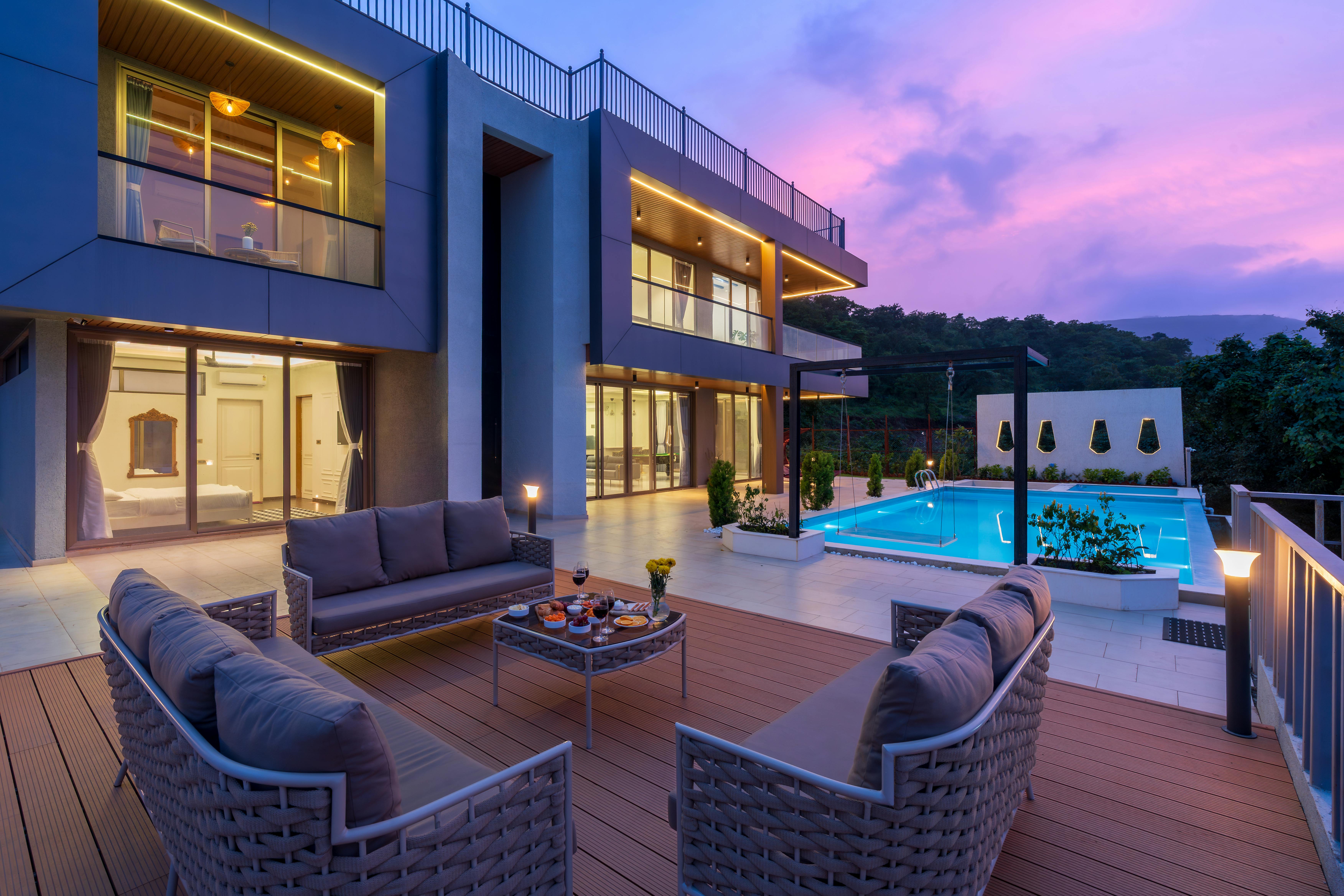
Luxury Rentals Reshape India's Metropolitan Housing Landscape
Premium serviced apartments and luxury rentals are transforming India's metro housing markets as affluent professionals seek flexible, high-end accommodations.
India's metropolitan rental markets are witnessing an unprecedented transformation as luxury and serviced accommodations emerge as the fastest-growing segments. From Mumbai's Bandra-Kurla Complex to Bangalore's Whitefield corridor, discerning tenants are increasingly gravitating toward premium properties that offer hotel-like amenities within residential frameworks.
The shift represents more than mere preference—it signals a fundamental restructuring of how India's urban elite approaches housing. Corporate executives, expatriate professionals, and affluent millennials are driving demand for properties that blend luxury with flexibility, creating new paradigms in the rental ecosystem.
Corporate Demand Fuels Premium Segment Growth
Multinational corporations are increasingly opting for serviced apartments over traditional hotel accommodations for their relocated employees. This strategic shift has catalyzed remarkable growth in the luxury rental segment, with occupancy rates in premium serviced properties averaging 85-90% across major metros.
Companies cite cost efficiency and employee satisfaction as primary drivers for this transition. A furnished luxury apartment in Gurgaon's Golf Course Road, complete with housekeeping and concierge services, often costs 30-40% less than equivalent hotel stays for extended assignments. The arrangement provides employees with spacious living environments while offering corporations predictable monthly expenditures.
Tech giants like Google, Microsoft, and Amazon have established partnerships with premium rental operators to secure inventory for their workforce. These arrangements often include dedicated apartment blocks within luxury complexes, creating micro-communities of corporate professionals. The trend has particularly gained momentum in Bangalore and Pune, where IT companies frequently relocate talent across global offices.
International consulting firms and investment banks have followed suit, recognizing that quality accommodation directly impacts employee productivity and retention. McKinsey & Company's recent partnership with luxury rental operator Stanza Living exemplifies this approach, securing premium inventory across multiple cities for their consultant rotations.
Affluent Millennials Redefine Rental Preferences
Young professionals earning substantial incomes are increasingly choosing luxury rentals over homeownership, fundamentally altering traditional real estate consumption patterns. This demographic, typically aged 28-40 with household incomes exceeding ₹25 lakhs annually, prioritizes flexibility and lifestyle over equity accumulation.
The preference manifests in demand for properties featuring premium amenities: rooftop pools, fitness centers, co-working spaces, and 24/7 concierge services. Developments like Lodha's Trump Tower in Mumbai and DLF's Privana in Gurgaon report waiting lists for their luxury rental units, with average rents ranging from ₹2-8 lakhs monthly.
These tenants often relocate every 2-3 years, chasing career opportunities or lifestyle changes. They value properties in prime locations with access to fine dining, entertainment, and networking opportunities. Areas like Mumbai's Lower Parel, Delhi's Aerocity, and Bangalore's UB City vicinity have emerged as preferred destinations for this segment.
The COVID-19 pandemic accelerated this trend as remote work capabilities reduced location dependence. Many affluent millennials now split time between metros, maintaining luxury rental arrangements in multiple cities. This behavior has created a new category of 'nomadic luxury renters' who sustain multiple high-end properties simultaneously.
Technology Integration Elevates Service Standards
Smart home integration and app-based service management are becoming standard offerings in India's luxury rental market. Properties now feature IoT-enabled climate control, automated lighting systems, and voice-activated assistants, matching international hospitality standards.
Leading operators like Oyo Living and Zolo have invested heavily in technology platforms that enable seamless tenant experiences. Mobile applications allow residents to schedule housekeeping, request maintenance, book amenities, and even order groceries with single-tap convenience. These platforms often include community features, enabling residents to connect with neighbors and participate in building events.
Artificial intelligence is being deployed for predictive maintenance and energy optimization, reducing operational costs while enhancing resident comfort. Smart security systems with facial recognition and mobile access control eliminate traditional key management while providing enhanced safety protocols.
The integration extends to flexible lease management, with some operators offering month-to-month arrangements for verified tenants. This flexibility, combined with transparent pricing and instant booking capabilities, mirrors the hospitality industry's consumer-centric approach.
As India's luxury rental market continues evolving, the convergence of technology, flexibility, and premium amenities is establishing new benchmarks for urban living standards across the nation's economic powerhouses.