The Rise of Warm Minimalism: Where Comfort Meets Clarity
Warm minimalism transforms sterile spaces into inviting sanctuaries through natural textures, earthy palettes, and purposeful design.
In the evolving landscape of interior design, warm minimalism has emerged as the antidote to the stark, clinical spaces that once defined contemporary living. This movement represents a sophisticated departure from the cold precision of traditional minimalism, introducing elements that speak to our fundamental need for comfort and connection while maintaining the clarity and intentionality that makes minimalism so enduringly appealing.
Unlike its austere predecessor, warm minimalism acknowledges that homes should nurture the soul as much as they please the eye. The trend has gained remarkable momentum as homeowners seek spaces that offer both visual respite and emotional warmth—environments that breathe with life rather than merely existing as static displays of geometric perfection.
Material Poetry: The Foundation of Warmth
The material palette of warm minimalism speaks in textures rather than patterns, relying on the inherent beauty of natural elements to create visual interest. Travertine has become the stone of choice, its honey-colored surface and subtle pitting offering the perfect balance between refinement and organic appeal. Where traditional minimalism might favor polished concrete, warm minimalism embraces the imperfections that make travertine so compelling.
Natural oak in its unbleached, oil-finished form provides another cornerstone material. The wood's golden undertones and pronounced grain create depth without ornament, while its tactile quality invites touch—a crucial element often missing from colder interpretations of minimalism. When paired with brushed brass hardware and fixtures, these materials create a harmonious trinity that feels both elevated and approachable.
Textiles play an equally important role, with linen and wool taking precedence over synthetic fabrics. Chunky knit throws, linen drapery with subtle slubs, and wool rugs with gentle texture variations add layers of warmth without compromising the clean lines that define the aesthetic. The key lies in selecting pieces that feel substantial yet refined, substantial enough to anchor a space while maintaining the visual lightness that minimalism demands.
The Palette of Earth and Light
Color in warm minimalism draws from nature's most comforting hues, creating schemes that feel both grounded and luminous. Cream replaces stark white as the primary neutral, offering the same light-reflecting properties while introducing an inherent warmth that makes spaces feel inhabited rather than staged. This shift toward soft whites with yellow and pink undertones creates an envelope of comfort that changes beautifully throughout the day as natural light shifts.
Mushroom gray serves as the perfect complementary neutral, sophisticated enough for modern sensibilities yet warm enough to feel welcoming. When layered with sage green or dusty terracotta, these palettes create depth without complexity, allowing the eye to rest while the spirit finds renewal.
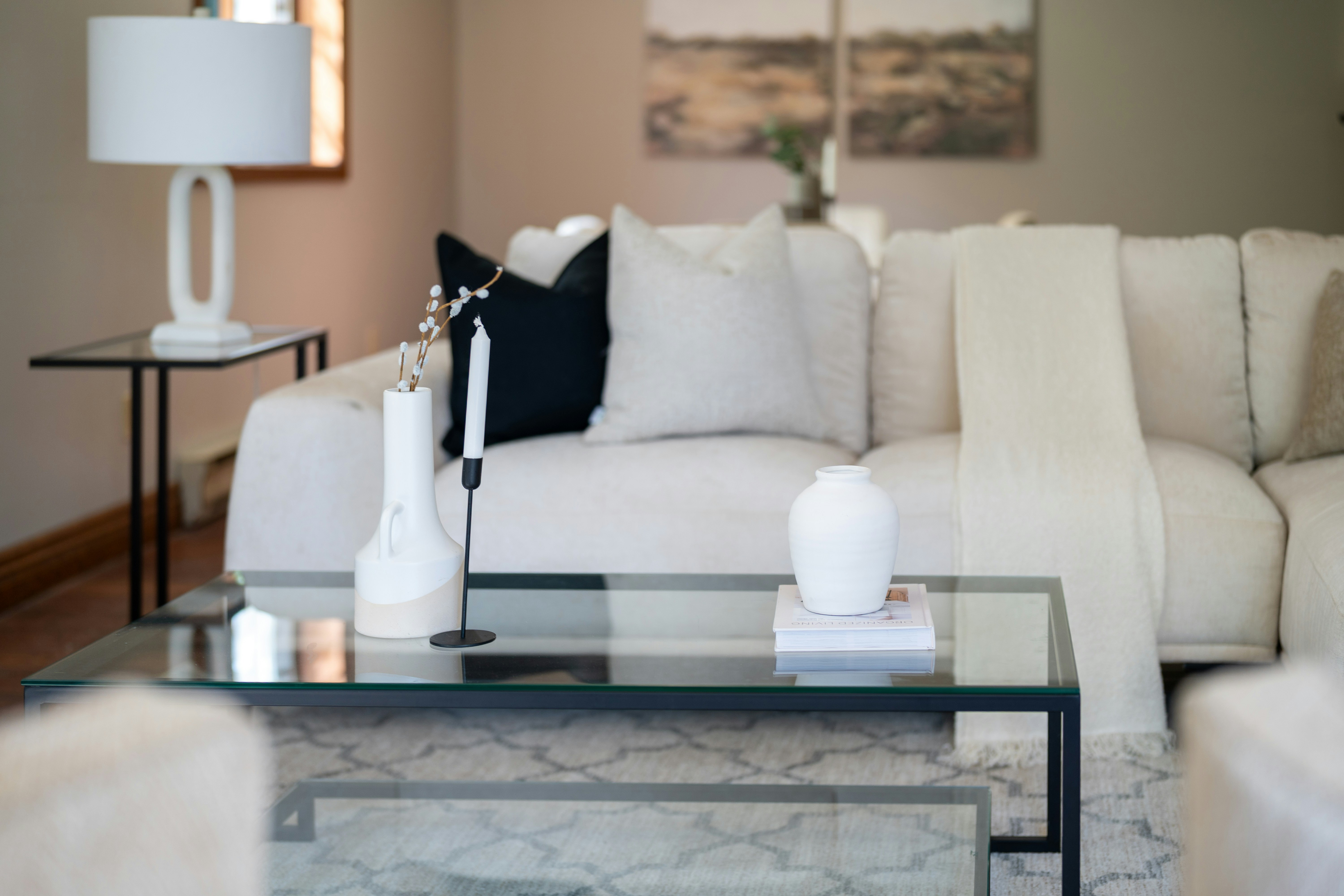
The genius of these color relationships lies in their restraint. Rather than relying on bold contrasts or dramatic statements, warm minimalism builds interest through subtle tonal variations. A cream wall might be paired with an off-white sofa and mushroom-colored throw pillows, creating a composition that feels complete without being busy. The result is spaces that photograph beautifully yet feel genuinely livable—a balance that has proven elusive for many contemporary design movements.
Purposeful Design for Modern Living
The principles governing warm minimalism extend far beyond materials and colors to encompass a philosophy of intentional living. Every piece must earn its place through both function and beauty, but unlike traditional minimalism's sometimes harsh editing process, warm minimalism allows for pieces that serve primarily emotional purposes.
Storage solutions become architectural elements, with fluted wood cabinetry and cane webbing details adding texture while maintaining clean lines. Furniture selection favors pieces with gentle curves over sharp angles—think rounded dining tables, arched doorways, and sofas with soft, pillowy forms that invite relaxation.
Lighting design embraces warmth through both temperature and form. Warm LED fixtures rated at 2700K create the golden glow that makes evening hours feel intimate, while pendant lights with woven rattan or ceramic shades introduce organic shapes that soften the overall composition.
This approach to minimalism recognizes that true luxury lies not in acquisition but in the careful curation of elements that enhance daily life. The result is spaces that feel both timeless and thoroughly contemporary—homes that honor the minimalist principle of less while embracing the human need for more.