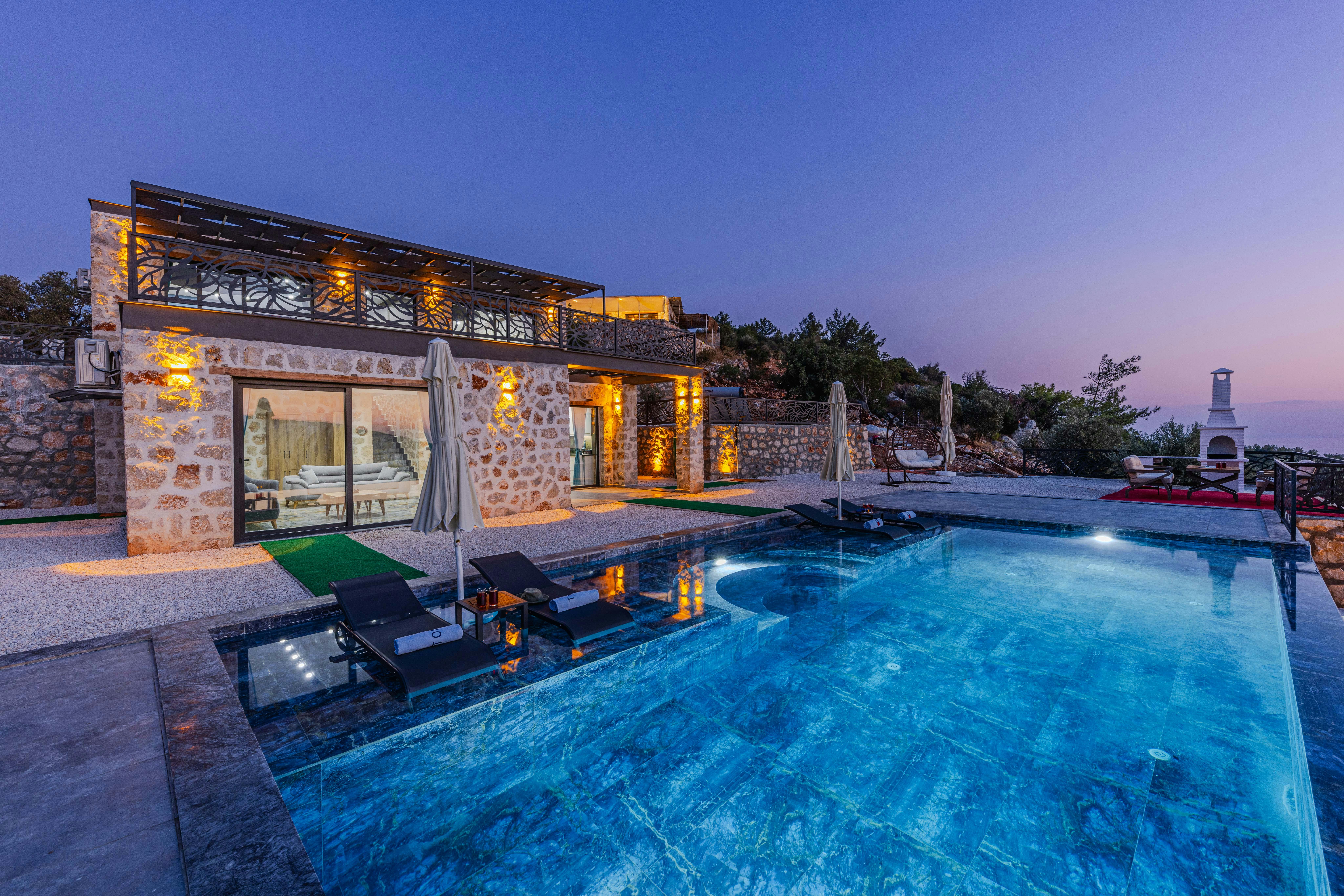
Warm Minimalism: The Art of Conscious Reduction
The evolution of minimalism embraces texture, natural materials, and earthy tones to create spaces that are both serene and deeply human.
The sterile white boxes that once defined minimalism have given way to a more nuanced approach—one that honors the philosophy of 'less is more' while embracing the inherent warmth of natural materials and thoughtful textures. Warm minimalism represents a sophisticated evolution in design thinking, where reduction becomes an act of curation rather than elimination.
This movement responds to our collective yearning for spaces that breathe without overwhelming, that speak without shouting. In an era of digital saturation and constant stimulation, the home emerges as a sanctuary where every element earns its place through intention rather than impulse.
The Material Palette of Restraint
Warm minimalism finds its foundation in materials that carry inherent character—raw oak flooring with visible grain patterns, limestone countertops that bear the subtle marks of geological time, and handwoven wool rugs in undyed natural fibers. These elements speak to authenticity without demanding attention.
Travertine emerges as a cornerstone material, its porous surface and warm undertones providing visual weight without visual noise. Paired with brushed brass fixtures that develop patina over time, these materials create layers of meaning that cold steel and pristine marble cannot achieve.
Natural plaster walls, applied by hand in subtle earth tones—warm whites tinged with ochre, soft grays with hints of sage—replace the stark brightness of traditional minimalist interiors. These surfaces catch and hold light differently throughout the day, creating an environment that feels alive rather than static.
Linen emerges as the textile of choice, whether draped as curtains in natural cream or upholstering a single statement chair in muted terracotta. The fabric's inherent wrinkles become part of its charm, rejecting the pursuit of perfection that can make minimalist spaces feel uninhabitable.
Color Theory in Conscious Design
The palette of warm minimalism draws from the earth itself—mushroom grays, sand beiges, and the subtle greens found in dried eucalyptus. These colors exist in harmony because they share the same natural origins, creating cohesion without requiring strict coordination.
Accent colors appear sparingly but with purpose. A single ceramic vessel in burnt umber, positioned on a floating shelf of reclaimed walnut. A vintage Berber rug in faded saffron, its worn areas telling stories that new pieces cannot. These moments of color feel discovered rather than designed, as if they emerged naturally from the space itself.
The interplay between warm and cool undertones prevents the palette from becoming monotonous. Warm whites paired with cooler grays, honey-toned wood against charcoal stone—these subtle tensions create visual interest without disrupting the overall sense of calm.
Black appears judiciously, often in the form of matte fixtures or the thin frames of carefully chosen artwork. Rather than creating stark contrast, these dark elements serve as punctuation marks in an otherwise flowing narrative of neutral tones.
Spatial Composition and Purposeful Emptiness
Space itself becomes the most luxurious material in warm minimalism. Wide corridors, generous room proportions, and carefully planned sightlines create a sense of expansiveness that small decorative objects could never achieve. This is minimalism as abundance—abundance of air, light, and possibility.
Furniture selection follows the principle of investment over accumulation. A single dining table in live-edge walnut can anchor an entire room, its natural form and substantial presence eliminating the need for additional decorative elements. Seating consists of a few well-chosen pieces—perhaps a pair of vintage leather chairs that have aged into perfect patina, or a custom banquette upholstered in oatmeal linen.
Storage becomes architecture, integrated seamlessly into walls and built-ins rather than added as afterthought furniture. This approach maintains clean lines while acknowledging the realities of modern life—belongings exist, but they need not dominate the visual field.
The true achievement of warm minimalism lies in its ability to create environments that feel both edited and comfortable, sophisticated yet approachable. These spaces invite contemplation and conversation in equal measure, proving that simplicity need not sacrifice soul.