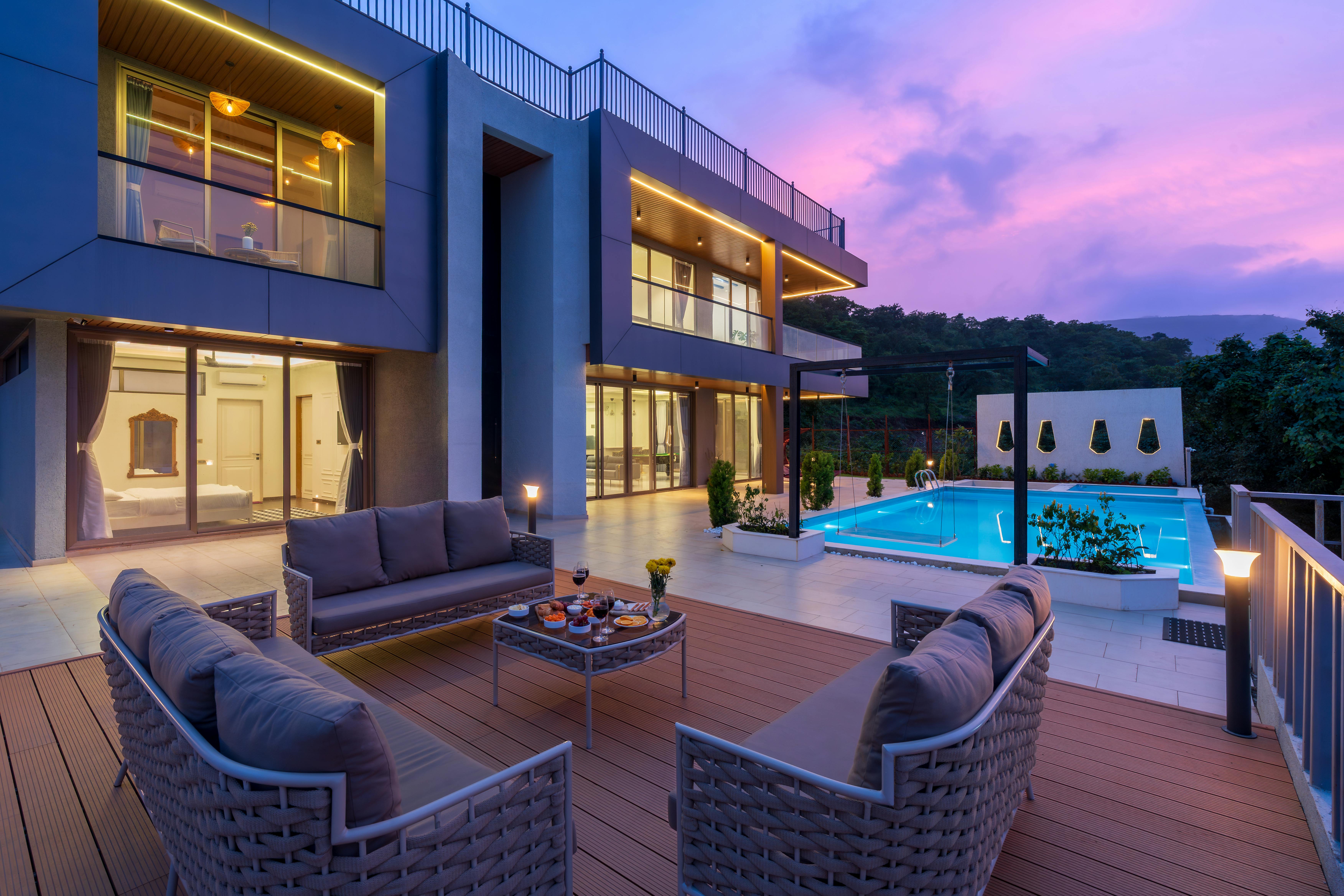
Warm Minimalism: The Interior Design Movement Redefining Modern Living
Warm minimalism blends clean lines with natural materials and earthy tones, creating spaces that feel both serene and inviting.
The stark white walls and cold concrete floors of traditional minimalism are giving way to something more human. Warm minimalism has emerged as the dominant interior design philosophy of our time, offering the visual clarity and mental calm of minimalist principles while embracing materials, textures, and colors that actually make us want to come home.
This evolution represents more than a stylistic shift—it's a fundamental reconsideration of how we inhabit space. Where cold minimalism often felt performative, warm minimalism feels lived-in. It's minimalism with a soul, stripped of austerity but not of intention.
The Material Foundation of Warmth
The transformation begins with materials. Gone are the days when minimalist interiors relied solely on glass, steel, and painted drywall. Today's warm minimalist spaces are grounded in natural wood, particularly white oak, walnut, and reclaimed timber with visible grain patterns that tell stories of age and character.
Natural stone plays an equally crucial role, with travertine, limestone, and honed marble replacing polished surfaces that once reflected light like mirrors. These materials possess an inherent warmth that synthetic alternatives cannot replicate—they age gracefully, developing patina and character that deepens their appeal over time.
Textiles have also evolved beyond the purely functional. Linen upholstery in cream and oat tones, wool rugs in earthy geometrics, and cashmere throws in mushroom and sage provide tactile warmth without visual clutter. The key is restraint—each textile serves both aesthetic and comfort purposes, never purely decorative.
The New Minimalist Palette
The color revolution in warm minimalism centers on what designers call the "earth and sky" palette. Warm whites—think Swiss Coffee, Alabaster, and Cloud White—have replaced stark whites, creating backgrounds that shift subtly throughout the day as natural light changes.
Sage greens and soft terracottas serve as accent colors, grounding spaces in nature while maintaining the visual calm minimalism demands. These hues work because they're muted enough to recede when necessary but rich enough to add emotional depth to a room.
Perhaps most significant is the embrace of warm neutrals—mushroom grays, putty beiges, and stone taupes—that bridge the gap between minimalism's love of neutral tones and our human need for psychological warmth. These colors work particularly well in limewash and clay paints, which add subtle texture and depth impossible to achieve with standard latex paints.
Wood tones have become integral to the palette itself. Rather than treating wood as an accent, warm minimalist interiors allow the natural honey tones of oak or the chocolate richness of walnut to serve as foundational colors, informing every other choice in the space.
Implementing Warm Minimalism in Contemporary Homes
The practical application of warm minimalism requires a disciplined approach to acquisition and arrangement. Each piece must justify its presence through both function and emotional resonance. A live-edge dining table might be the room's only decorative element, but its natural form and warm wood grain carry enough visual interest to anchor the entire space.
Lighting becomes crucial in warm minimalist interiors. Rather than harsh overhead fixtures, these spaces rely on warm-toned LED strips, table lamps with linen shades, and candles to create layers of ambient illumination that enhance the cozy atmosphere.
Storage solutions are seamlessly integrated, often built from the same natural materials that define the space's aesthetic. Built-in oak shelving and hidden storage benches maintain the clean lines minimalism demands while providing the functionality modern life requires.
The success of warm minimalism lies in its recognition that truly timeless design serves human needs as much as aesthetic ones. It's minimalism grown up—confident enough in its principles to embrace warmth, texture, and the beautiful imperfections that make a house feel like home.