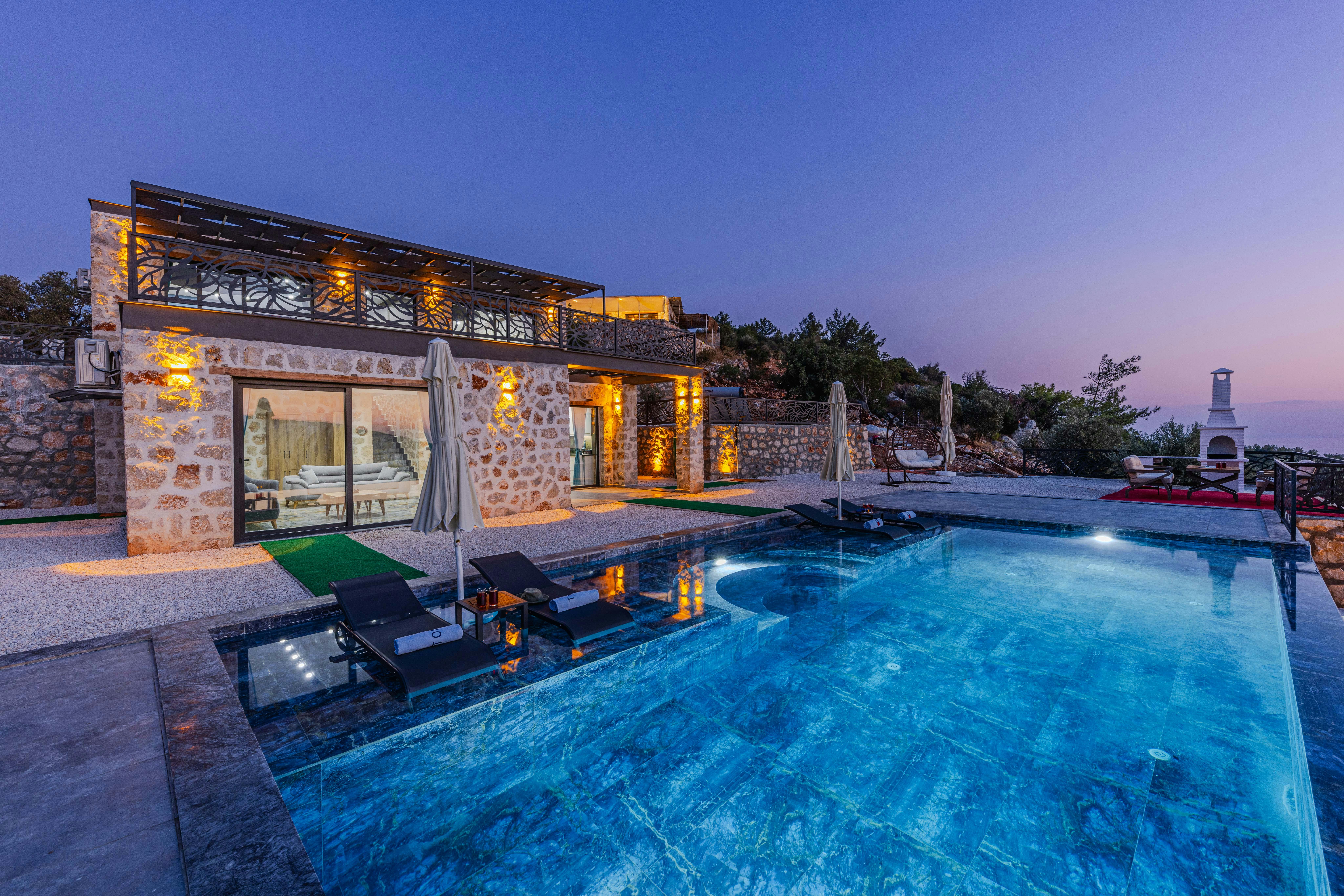
Warm Minimalism: The Interior Design Revolution Redefining Modern Living
Warm minimalism emerges as the antidote to cold, stark interiors, blending simplicity with comfort through natural materials and earth-toned palettes.
The sterile white boxes of traditional minimalism are giving way to something far more nuanced and livable. Warm minimalism has emerged as the defining interior design movement of our time, offering the clean lines and uncluttered spaces we crave while embracing the human need for comfort and connection. This evolution represents not just a shift in aesthetic preference, but a fundamental reimagining of how we inhabit our most intimate spaces.
Unlike its predecessor, warm minimalism refuses to sacrifice soul for simplicity. It acknowledges that true luxury lies not in excess, but in the careful curation of elements that speak to both function and feeling. This approach has captured the attention of discerning homeowners and design professionals alike, who recognize its power to create spaces that are simultaneously sophisticated and welcoming.
The Material Foundation of Comfort
The success of warm minimalism rests entirely on its thoughtful selection of materials. Natural wood takes center stage, with designers favoring the rich grains of white oak, walnut, and teak over painted surfaces. These woods bring inherent warmth and texture, creating visual interest without the need for excessive decoration.
Stone and concrete appear in their natural states, celebrating imperfections and variations that machine-made materials cannot replicate. Limestone, travertine, and sandstone introduce subtle color variations and tactile appeal, while polished concrete floors provide durability with understated elegance.
Textile selection becomes paramount in this restrained environment. Linen and wool dominate fabric choices, offering both visual softness and physical comfort. Bouclé upholstery adds texture without pattern, while jute and sisal rugs ground spaces with organic appeal. These materials age gracefully, developing character that synthetic alternatives cannot match.
The integration of clay and ceramic elements further reinforces the connection to earth. Handmade pottery, whether functional or sculptural, introduces subtle irregularities that humanize the space. These pieces serve as focal points within the restrained composition, proving that minimalism need not mean monotony.
A Palette Rooted in Nature
The warm minimalist color story draws directly from the natural world, creating environments that feel both timeless and contemporary. Warm whites and creams replace stark brightness, offering the light-reflecting properties designers need while maintaining visual warmth. These foundational tones create a sophisticated backdrop that never feels cold or institutional.
Earth tones provide depth and richness to the restrained palette. Ochre, terracotta, and burnt sienna appear as accent colors, often introduced through ceramics, textiles, or featured walls. These hues connect interior spaces to their natural surroundings, creating harmony between built and organic environments.
The integration of sage green and muted blue acknowledges our innate connection to sky and vegetation. These colors appear sparingly but strategically, often through artwork or carefully chosen accessories that punctuate the neutral foundation.
Deep charcoal and warm black serve as grounding elements, providing contrast without harshness. These darker tones appear in metal fixtures, picture frames, and architectural details, adding sophistication while maintaining the overall sense of calm.
The Art of Thoughtful Reduction
Successful warm minimalism requires surgical precision in editing. Every element must justify its presence through either function or emotional resonance. Furniture selection emphasizes quality over quantity, with pieces chosen for their ability to serve multiple purposes while maintaining visual lightness.
The approach to lighting design becomes crucial in establishing ambiance. Warm LED sources replace cool fluorescents, while table lamps and sconces create pools of intimate illumination. Natural light remains the primary source, with window treatments chosen to filter rather than block.
Storage solutions disappear into the architecture, maintaining clean sight lines while accommodating the necessities of daily life. Built-in cabinetry and concealed compartments ensure that functionality never compromises aesthetic purity.
This movement represents more than stylistic preference—it embodies a philosophy of intentional living. By embracing warm minimalism, we create spaces that support both physical comfort and mental clarity, proving that restraint and warmth need not be mutually exclusive. The result is interior design that feels both aspirational and achievable, sophisticated yet deeply human.