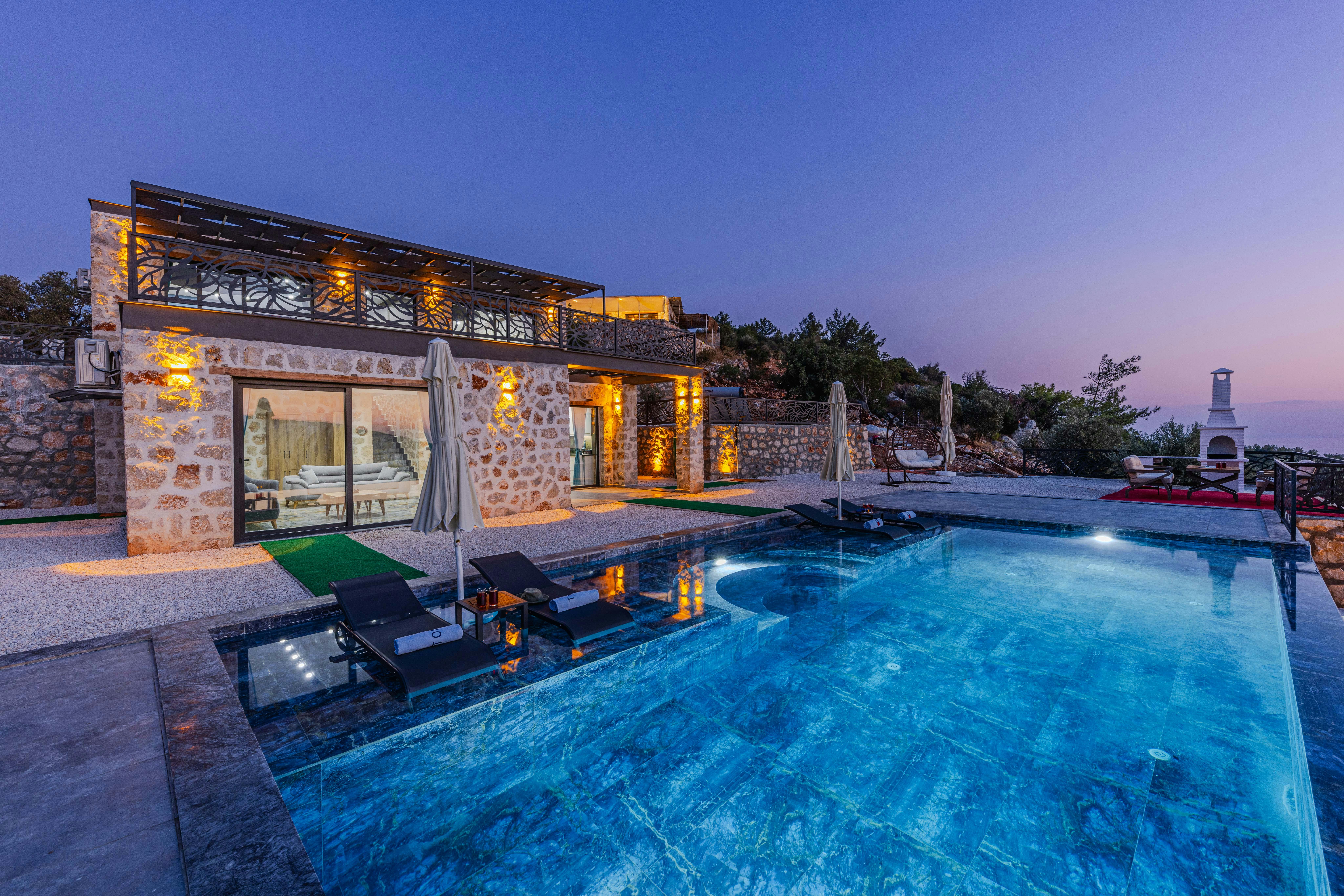
Warm Minimalism: The Interior Design Revolution Redefining Modern Living
Warm minimalism emerges as 2024's defining trend, blending clean aesthetics with tactile comfort through natural materials and earth-toned palettes.
The stark white walls and cold surfaces of traditional minimalism are giving way to a revolutionary approach that prioritizes both simplicity and soul. Warm minimalism has emerged as the defining interior design movement of 2024, transforming spaces into sanctuaries that breathe with life while maintaining the clean lines that modern living demands.
This evolution represents more than aesthetic preference—it signals a fundamental shift toward interiors that nurture rather than merely impress. Where conventional minimalism often left rooms feeling sterile, warm minimalism introduces carefully curated elements that invite touch, contemplation, and genuine comfort.
The Material Poetry of Texture and Warmth
The foundation of warm minimalism lies in its masterful use of natural materials that speak in whispered tones rather than bold declarations. Travertine stone has become the movement's signature material, its honey-colored surface and subtle pitting creating visual interest without overwhelming spaces. These limestone formations bring geological time into contemporary rooms, their warm beige and cream tones serving as neutral canvases that shift subtly with changing light.
White oak flooring anchors these spaces with its distinctive grain patterns and pale golden undertones. Unlike the cool grays that dominated previous minimalist iterations, white oak introduces organic warmth that feels both timeless and thoroughly modern. The wood's natural variations create subtle movement across floor planes, eliminating the monotony that plagued earlier minimal designs.
Textiles play an equally crucial role, with bouclé fabrics emerging as the textile of choice for seating and accent pieces. This nubby, wool-based material adds tactile richness without visual complexity, its cream and oatmeal colorations complementing stone and wood elements seamlessly. Linen continues its reign in window treatments and soft furnishings, its casual drape and natural irregularities preventing spaces from appearing too studied or precious.
A Palette Drawn from Earth's Gentle Embrace
The warm minimalist palette draws inspiration from natural landscapes at their most serene moments—dawn light on desert sand, weathered limestone cliffs, and sun-bleached driftwood. Mushroom gray serves as the new neutral, replacing the stark whites that once defined minimal interiors. This sophisticated shade provides depth without darkness, creating backgrounds that feel both contemporary and timeless.
Sage green appears as the movement's signature accent color, bringing subtle life to predominantly neutral schemes. Whether expressed through a single statement piece or woven throughout accessories, this muted botanical tone connects interiors to the natural world without overwhelming carefully balanced compositions.
Cream and ivory variations dominate larger surfaces, but these aren't the cold whites of institutional spaces. Instead, warm minimalism embraces warm white paint with subtle undertones—hints of peach, yellow, or gray that shift throughout the day as natural light moves across surfaces. Benjamin Moore's "Cloud White" and Farrow & Ball's "Pointing" exemplify this approach, offering complexity within apparent simplicity.
Accent colors emerge sparingly but purposefully: soft terracotta in ceramic vessels, warm brass in lighting fixtures, and deep charcoal in select furniture pieces. These darker elements provide visual anchors without disrupting the overall sense of lightness and calm.
Curating Comfort Within Clean Lines
The genius of warm minimalism lies not in what it includes, but in how it makes careful selections feel effortless and inevitable. Furniture selection emphasizes pieces with soft edges and organic curves—think rounded dining tables in white oak, sectional sofas with gentle arms, and coffee tables with subtly curved legs. These forms soften the geometric precision that can make minimalist spaces feel cold.
Lighting design moves beyond mere functionality to create atmospheric layers. Warm LED technology with temperatures between 2700K and 3000K provides the golden glow that makes spaces feel inhabited rather than displayed. Statement pendant lights in natural materials—rattan, linen, or ceramic—serve as sculptural elements while maintaining the movement's restraint.
Art and accessories follow the "less but better" philosophy, with each piece earning its place through both aesthetic merit and emotional resonance. Large-scale photography in warm tones, ceramic vessels in earthy glazes, and a carefully chosen throw blanket become the punctuation marks in these serene compositions.
Warm minimalism ultimately succeeds because it recognizes that true luxury lies not in excess but in the perfect balance between beauty and livability—spaces that inspire while they comfort, impress while they embrace.